Decarbonising hard-to-abate sectors with renewables: Enablers and recommendations
-
Introduction
The International Renewable Energy Agency (IRENA) has called for an acceleration in the pace and scale of renewable energy deployment, highlighting the importance of renewable energy not only as an effective means of reducing emissions and enhancing energy security but also as a driver of economic growth and job creation.
More -
An enabling framework to decarbonise the hard-to-abate sectors with renewables
To fully transition into these hard-to-abate sectors in the next three decades, countries will need to deploy innovative solutions that go beyond technology.
More -
Accelerating the transformation
Key considerations in the decarbonisation of hard-to-abate sectors Recommendations
Enablers(39)
-
Technology infrastructure and system operation
- 14 Technology readiness: Reduced demand and improved energy efficiency
- 15 Technology readiness: Direct use of clean electricity
- 16 Technology readiness: Direct use of renewable heat and biomass
- 17 Technology readiness: Direct use of sustainably sourced biomass and biofuels
- 18 Technology readiness: Indirect use of clean electricity via synthetic fuels
- 19 Technology readiness: Implementation of CO2 capture, utilisation and removal measures
- 20 Physical infrastructure: Power grids modernisation and expansion
- 21 Physical infrastructure: Electric charging facilities for EVs
- 22 Physical infrastructure: Hydrogen networks
- 23 Physical infrastructure: CO2 capture and storage networks
- 24 Physical infrastructure: Ports and airports
- 25 Digital technologies and infrastructure
- 26 Quality infrastructure
- 27 Supply-side flexibility and demand-side management via smart electrification strategies
-
Policy and regulation
- 1 Sector-specific emission reduction targets
- 2 Carbon pricing mechanisms
- 3 Economic support for green commodities and fuels: Subsidies
- 4 Economic support for green commodities and fuels: Taxation
- 5 Economic support for green commodities and fuels: Carbon Contracts of difference
- 6 Demand stimulation policies: Green public procurement
- 7 Demand stimulation policies: Mandates and quotas
- 8 Demand stimulation policies: Emission reduction standards
- 9 Demand stimulation policies: Phase out of ICE Vehicles
- 10 Carbon limits in end products
- 11 Product definitions, standards, certification schemes and emission accounting frameworks
- 12 Fast-tracked permitting
- 13 Research and development support
-
Market conditions business and finance
- 28 Early market creation measures: Offtake agreements and long-term contracts
- 29 Early market creation measures: Industry coalitions
- 30 Early market creation measures: Emerging business models
- 31 Corporate climate commitments and transition plans
- 32 Ecolabels of green products
- 33 Sustainability-linked investments, climate bonds and sustainable finance taxonomies
- 34 Financing programmes and de-risking instruments
-
Supply chain skills and community engagement
-
Introduction
Maritime transport is vital to the world’s economy, enabling international trade and commerce and facilitating the movement of goods and resources across the globe11.
More -
Technology and infrastructure
The renewable energy generation technologies need to be complemented with other innovations to guarantee a reliable supply of electricity based on renewable energy and economically efficient operation of the system.
More -
Market design and system
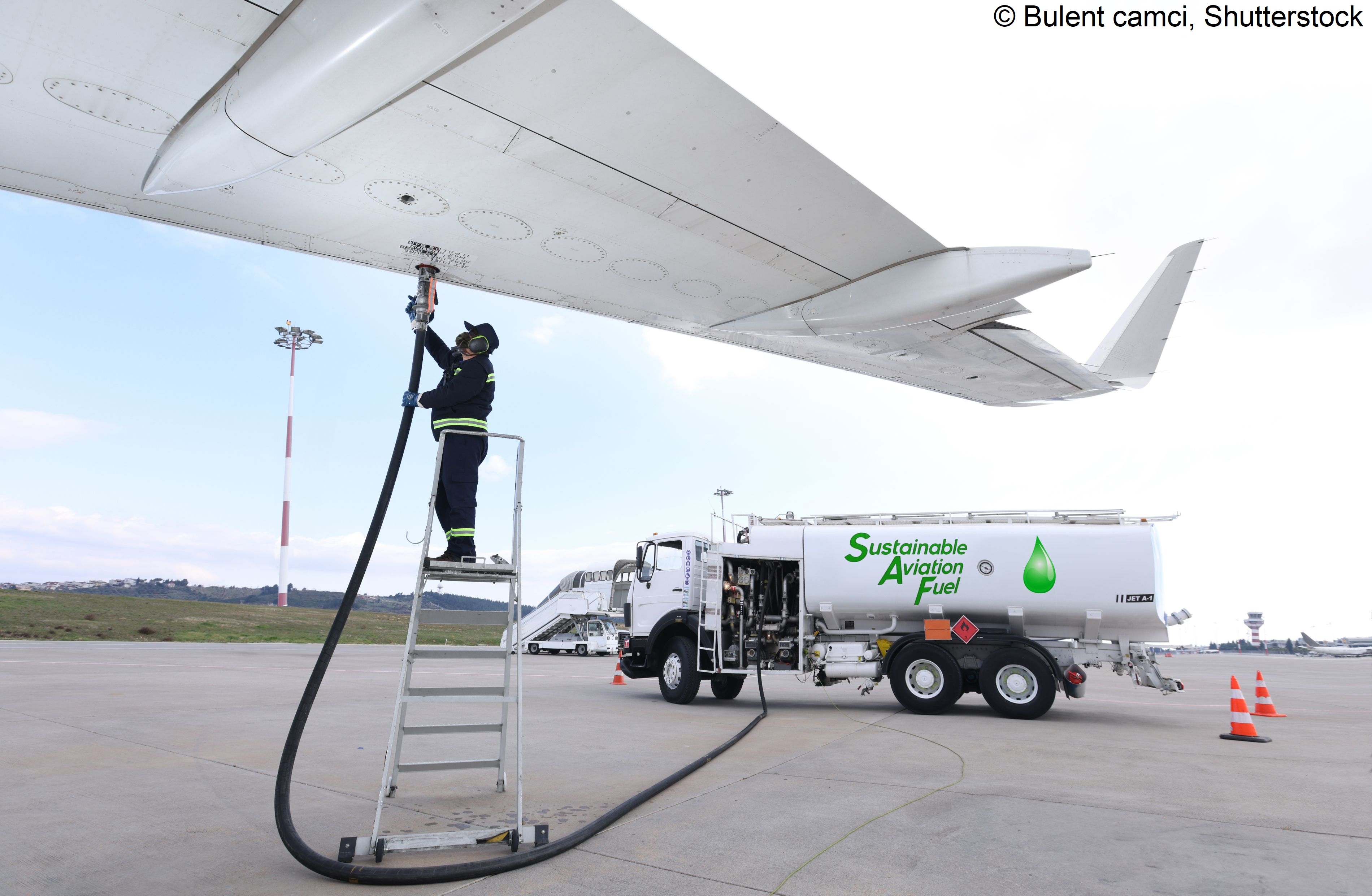
Aviation plays a vital role in connecting people, enabling global business, facilitating international trade and tourism, and providing a means of rapid transportation. The sector drives economic growth, shortens travel times and increases global interconnectedness.
More
Enablers(39)
-
Technology infrastructure and system operation
- 14 Technology readiness: Reduced demand and improved energy efficiency
- 15 Technology readiness: Direct use of clean electricity
- 16 Technology readiness: Direct use of renewable heat and biomass
- 17 Technology readiness: Direct use of sustainably sourced biomass and biofuels
- 18 Technology readiness: Indirect use of clean electricity via synthetic fuels
- 19 Technology readiness: Implementation of CO2 capture, utilisation and removal measures
- 20 Physical infrastructure: Power grids modernisation and expansion
- 21 Physical infrastructure: Electric charging facilities for EVs
- 22 Physical infrastructure: Hydrogen networks
- 23 Physical infrastructure: CO2 capture and storage networks
- 24 Physical infrastructure: Ports and airports
- 25 Digital technologies and infrastructure
- 26 Quality infrastructure
- 27 Supply-side flexibility and demand-side management via smart electrification strategies
-
Policy and regulation
- 1 Sector-specific emission reduction targets
- 2 Carbon pricing mechanisms
- 3 Economic support for green commodities and fuels: Subsidies
- 4 Economic support for green commodities and fuels: Taxation
- 5 Economic support for green commodities and fuels: Carbon Contracts of difference
- 6 Demand stimulation policies: Green public procurement
- 7 Demand stimulation policies: Mandates and quotas
- 8 Demand stimulation policies: Emission reduction standards
- 9 Demand stimulation policies: Phase out of ICE Vehicles
- 10 Carbon limits in end products
- 11 Product definitions, standards, certification schemes and emission accounting frameworks
- 12 Fast-tracked permitting
- 13 Research and development support
-
Market conditions business and finance
- 28 Early market creation measures: Offtake agreements and long-term contracts
- 29 Early market creation measures: Industry coalitions
- 30 Early market creation measures: Emerging business models
- 31 Corporate climate commitments and transition plans
- 32 Ecolabels of green products
- 33 Sustainability-linked investments, climate bonds and sustainable finance taxonomies
- 34 Financing programmes and de-risking instruments
-
Supply chain skills and community engagement
-
Introduction
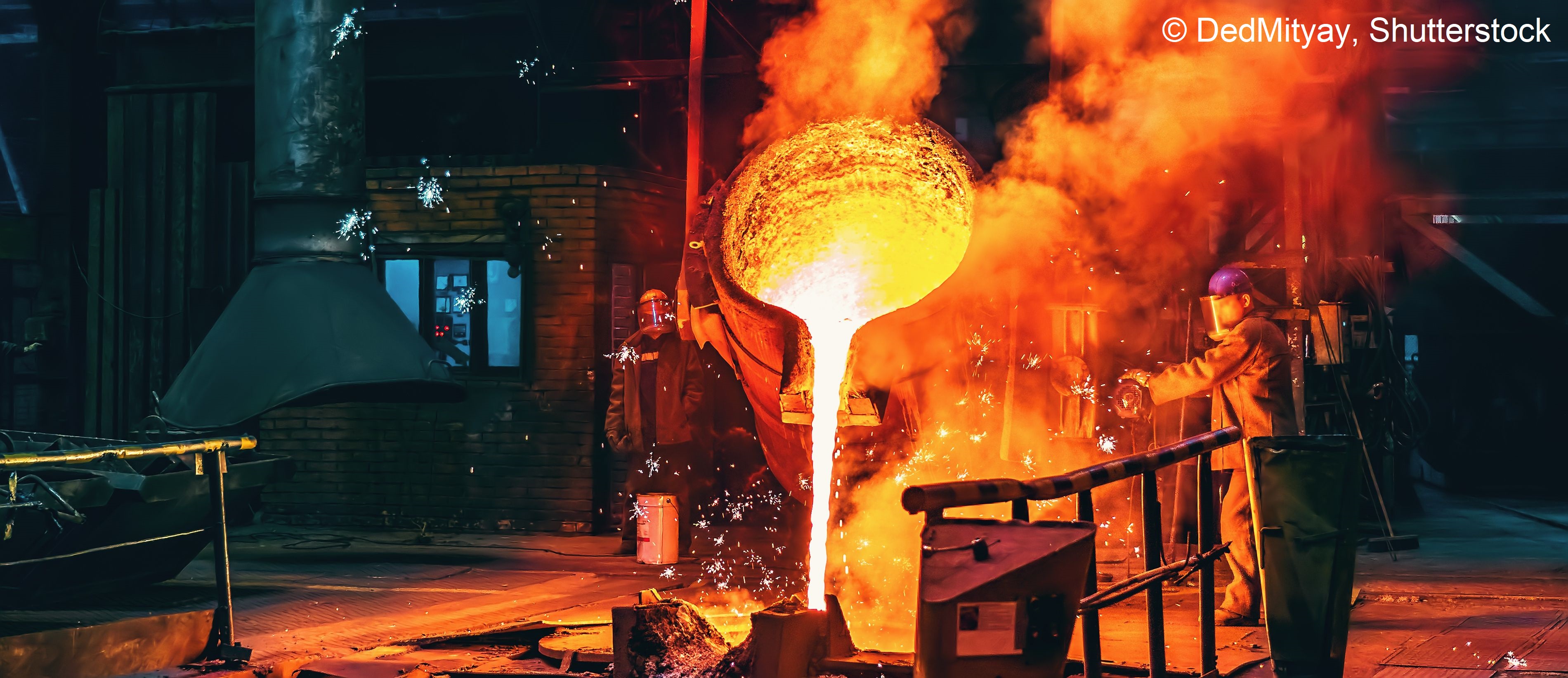
Steel is an indispensable material in our modern world. Its strength, durability, versatility and recyclability make it suitable for a vast array of applications. It is widely used in buildings and infrastructure, equipment, vehicles domestic home appliances and many other areas.
More -
Chemicals and petrochemicals
Chemicals are crucial to our daily lives and are used in many industries, technologies and household products. Most emissions from the sector stem from a small number of these chemicals, particularly ammonia, methanol and steam cracking products (ethylene, propylene, butadiene and aromatics).
More -
Cement
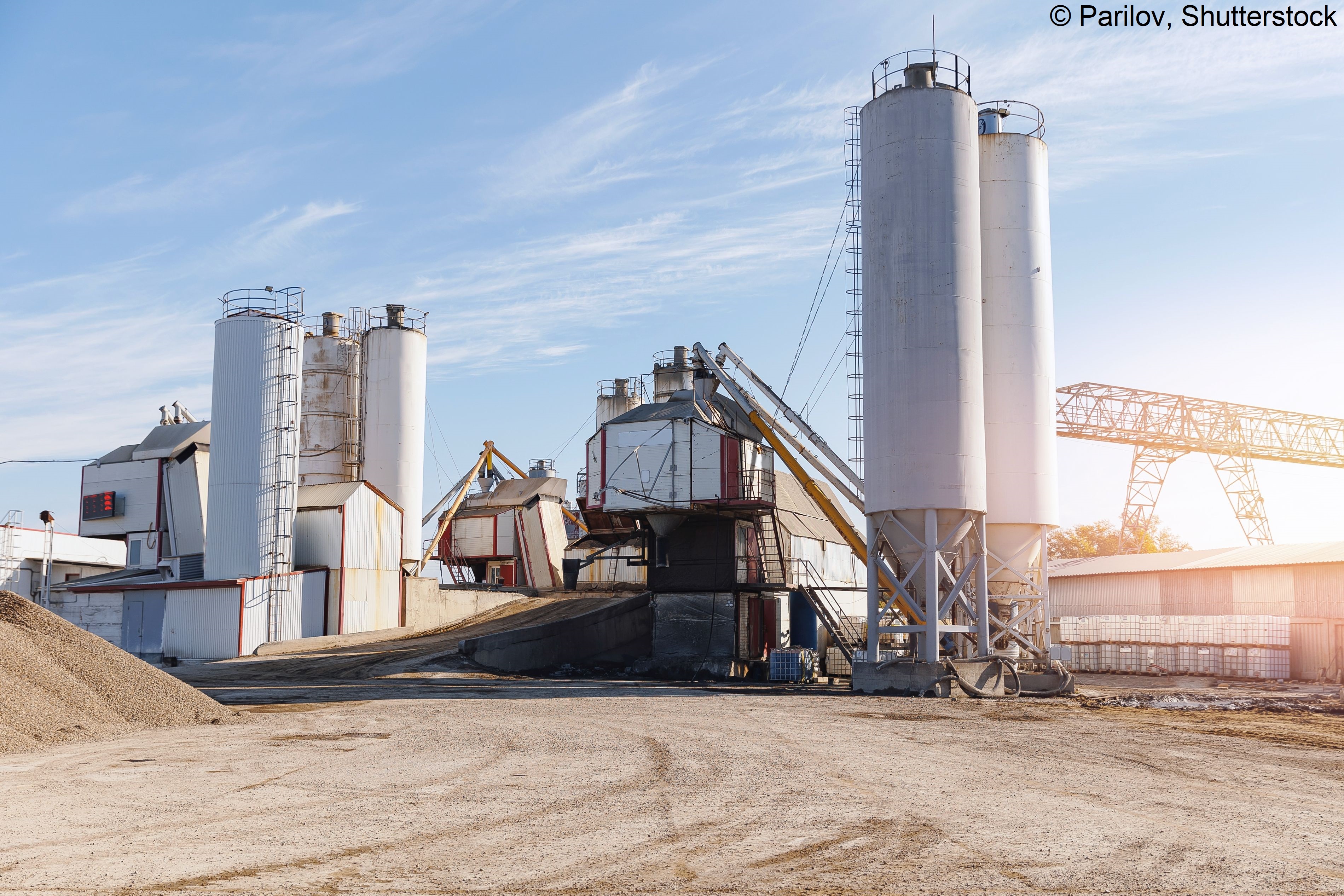
Cement has been indispensable in shaping the modern world, contributing significantly to the development of infrastructure for centuries. The combination of cement and aggregates produces a strong, durable and versatile material, making it indispensable for buildings, roads, bridges and other critical infrastructure.
More
Enablers(39)
-
Technology infrastructure and system operation
- 14 Technology readiness: Reduced demand and improved energy efficiency
- 15 Technology readiness: Direct use of clean electricity
- 16 Technology readiness: Direct use of renewable heat and biomass
- 17 Technology readiness: Direct use of sustainably sourced biomass and biofuels
- 18 Technology readiness: Indirect use of clean electricity via synthetic fuels
- 19 Technology readiness: Implementation of CO2 capture, utilisation and removal measures
- 20 Physical infrastructure: Power grids modernisation and expansion
- 21 Physical infrastructure: Electric charging facilities for EVs
- 22 Physical infrastructure: Hydrogen networks
- 23 Physical infrastructure: CO2 capture and storage networks
- 24 Physical infrastructure: Ports and airports
- 25 Digital technologies and infrastructure
- 26 Quality infrastructure
- 27 Supply-side flexibility and demand-side management via smart electrification strategies
-
Policy and regulation
- 1 Sector-specific emission reduction targets
- 2 Carbon pricing mechanisms
- 3 Economic support for green commodities and fuels: Subsidies
- 4 Economic support for green commodities and fuels: Taxation
- 5 Economic support for green commodities and fuels: Carbon Contracts of difference
- 6 Demand stimulation policies: Green public procurement
- 7 Demand stimulation policies: Mandates and quotas
- 8 Demand stimulation policies: Emission reduction standards
- 9 Demand stimulation policies: Phase out of ICE Vehicles
- 10 Carbon limits in end products
- 11 Product definitions, standards, certification schemes and emission accounting frameworks
- 12 Fast-tracked permitting
- 13 Research and development support
-
Market conditions business and finance
- 28 Early market creation measures: Offtake agreements and long-term contracts
- 29 Early market creation measures: Industry coalitions
- 30 Early market creation measures: Emerging business models
- 31 Corporate climate commitments and transition plans
- 32 Ecolabels of green products
- 33 Sustainability-linked investments, climate bonds and sustainable finance taxonomies
- 34 Financing programmes and de-risking instruments
-
Supply chain skills and community engagement