

Data-Driven Energy Planning for Universal Access: The Senegal Experience
Newsletter
The global energy transition is made up of multiple national transition pathways. For each of these transitions, planning is key. Well-designed energy planning processes increasingly require robust data, transparent methodologies, and strong institutional ownership.
Data-driven, bankable, and inclusive energy plans can turn energy commitments into implemented projects. When embedded within official planning structures, data-informed processes align long-term policy objectives with implementable actions, serving as a guide for investment choices.
Like many developing countries, Senegal must navigate sustainable energy and economic goals under fiscal constraints and data limitations. It must manage increasing electricity demand, while simultaneously closing the energy access gap for the remaining 15% of the population, predominantly located in last-mile communities.
Institutionalised energy planning capacity therefore represents an important asset for the government in shaping credible investment frameworks and delivery pathways.
Acknowledging the need to strengthen institutional capacity in using on-the-ground data to develop comprehensive energy plans, Senegal has prioritised building in-house technical expertise and improving coordination across institutions responsible for energy planning and implementation.
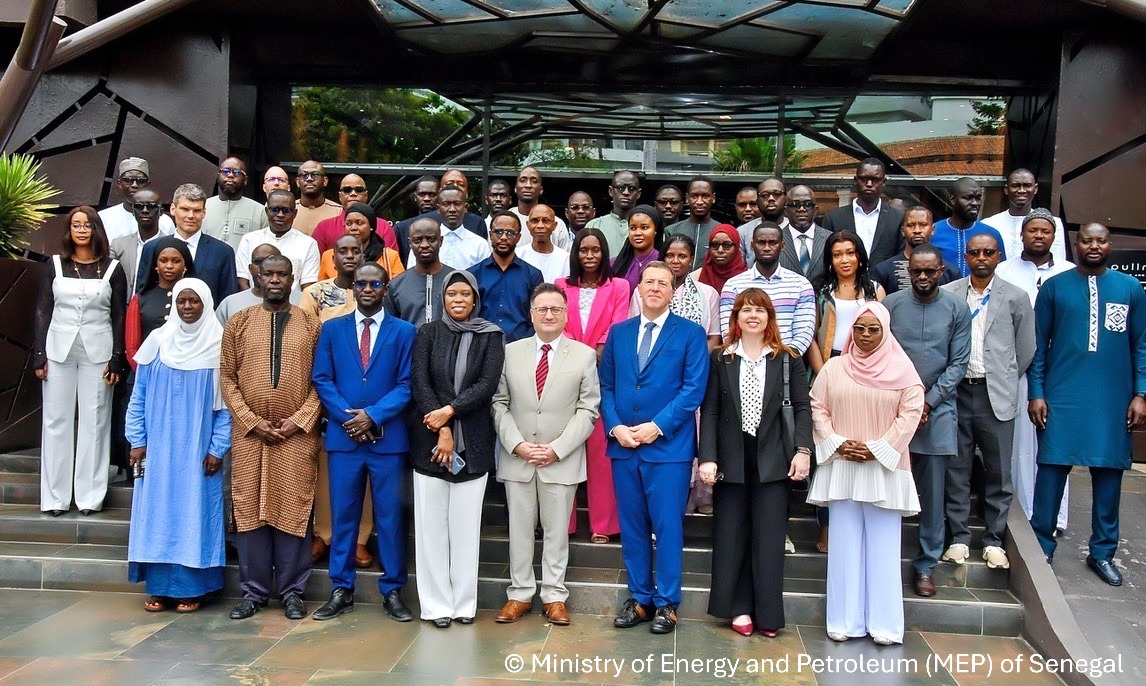
In 2023, Senegal’s Ministry of Energy, Petroleum and Mines (MEPM) has initiated a comprehensive Energy Planning Capacity Building Programme. This initiative, now concluding its second phase, is supported by the International Renewable Energy Agency (IRENA), GIZ, the Government of Norway, the Government of Wallonia, and Climate Compatible Growth (CCG).
The programme focuses on building practical planning skills across around a dozen national institutions, as well as creating an official government energy planning and modelling unit. By doing so, it seeks to help deliver investment-grade analysis and masterplans that attract finance towards power sector expansion and rural electrification through robust modelling.
Throughout the programme, participants worked on long-term demand projections, electricity capacity expansion modelling, and energy access planning through scenario development using data-driven tools.
The resulting scenarios helped inform official recommendations on wind and solar capacity additions, and support revisions to national climate commitments. Since the first phase, over 800 MW of committed solar PV and battery storage projects have been added to the pre-2030 pipeline.
By the end of the programme’s first phase, Senegal had established its first official cross-institutional task force for long-term power sector planning and developed a harmonised electricity sector database. By the end of the second phase, Senegal fully owns three planning tools—with IRENA’s support—covering demand projections, electricity capacity expansion, and geo-resolved rural electrification analysis.
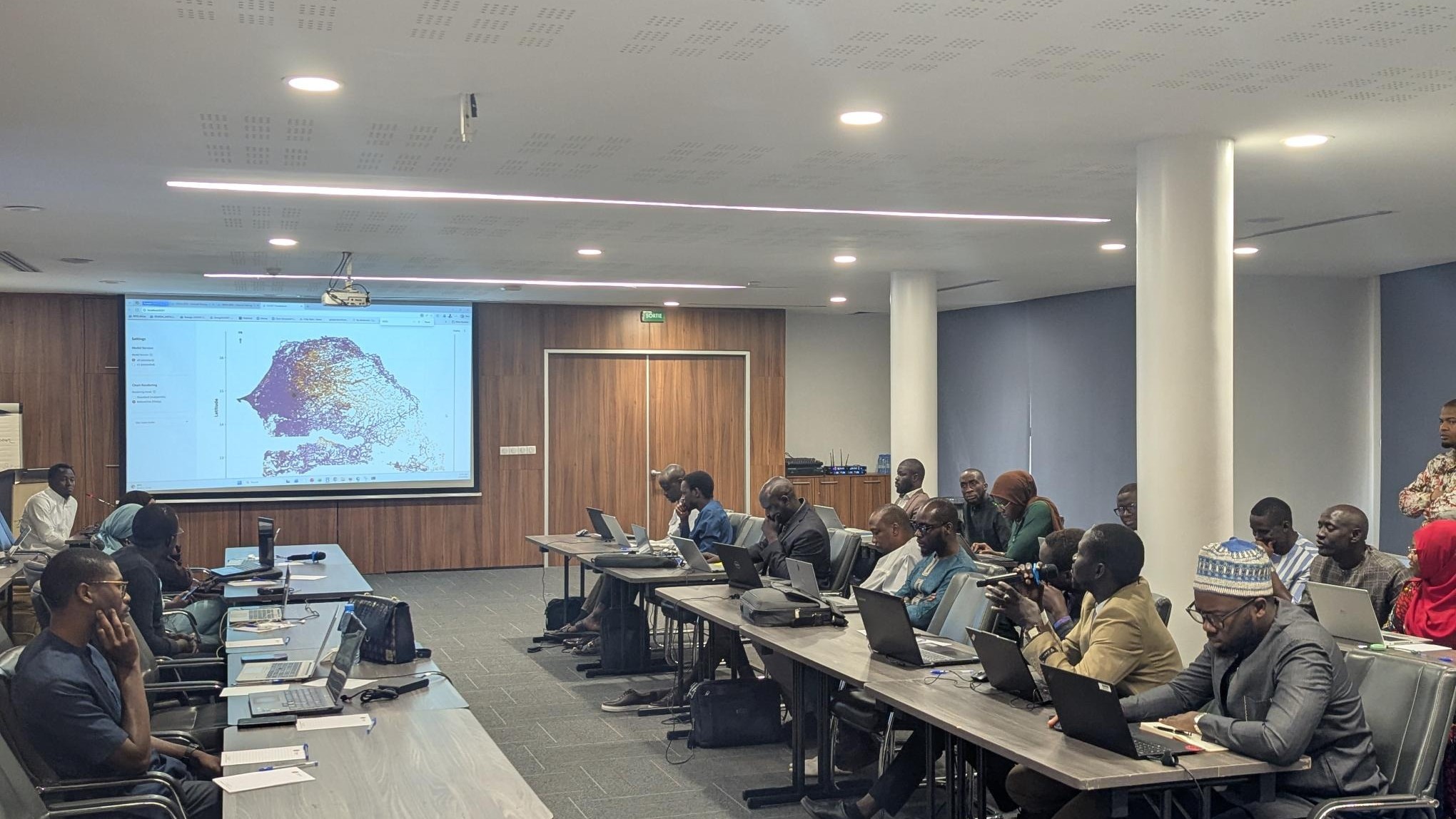
Through dedicated geospatial modelling, the national team has identified exactly where the grid can be expanded, and where off-grid investments could deliver secure and affordable access. Results from the modelling exercise are already strengthening Senegal’s evidence-based case to attract further investment in the sector.
Reflecting on the programme, Ms. Fatou Tiam Sow, Director of Planning at the Senegal Ministry of Energy and Mines, said, “This very important work has enabled Senegal to establish a base of integrated planning for the electricity sector across the entire value chain, including production, transmission, distribution and rural electrification, using highly sophisticated and open-source tools. We have achieved results and intend to continue this work to attract more investment and implement projects for universal access to energy.”
During the high-level closing ceremony of the second phase held by IRENA and the Senegal Ministry of Energy and Petroleum in Dakar this month, IRENA Innovation and Technology Centre Director, Mike Enskat, added, “We are proud that this programme has been able to act as a critical component in the energy planning process for Senegal, and that our support can continue with a new phase, to further institutionalise energy planning practice in Senegal and drive the energy transition.”


